0


 English
 عربى


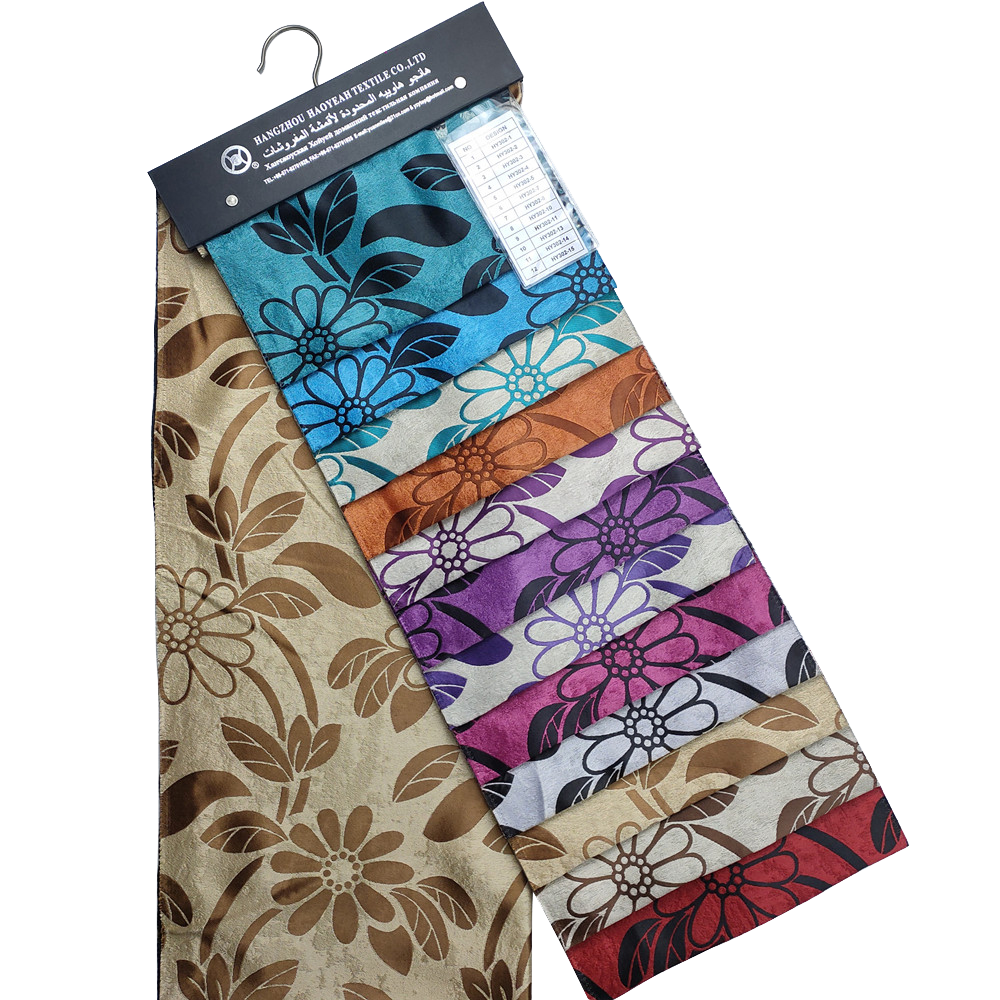
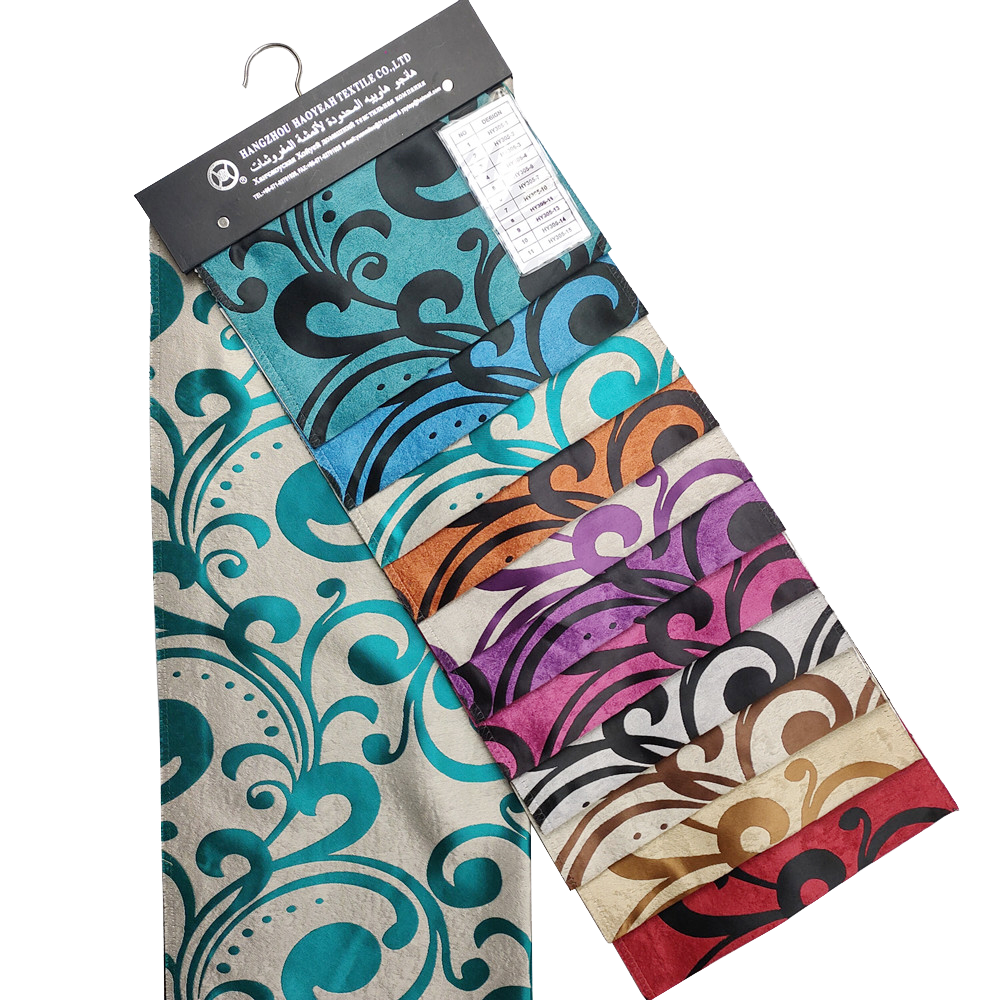
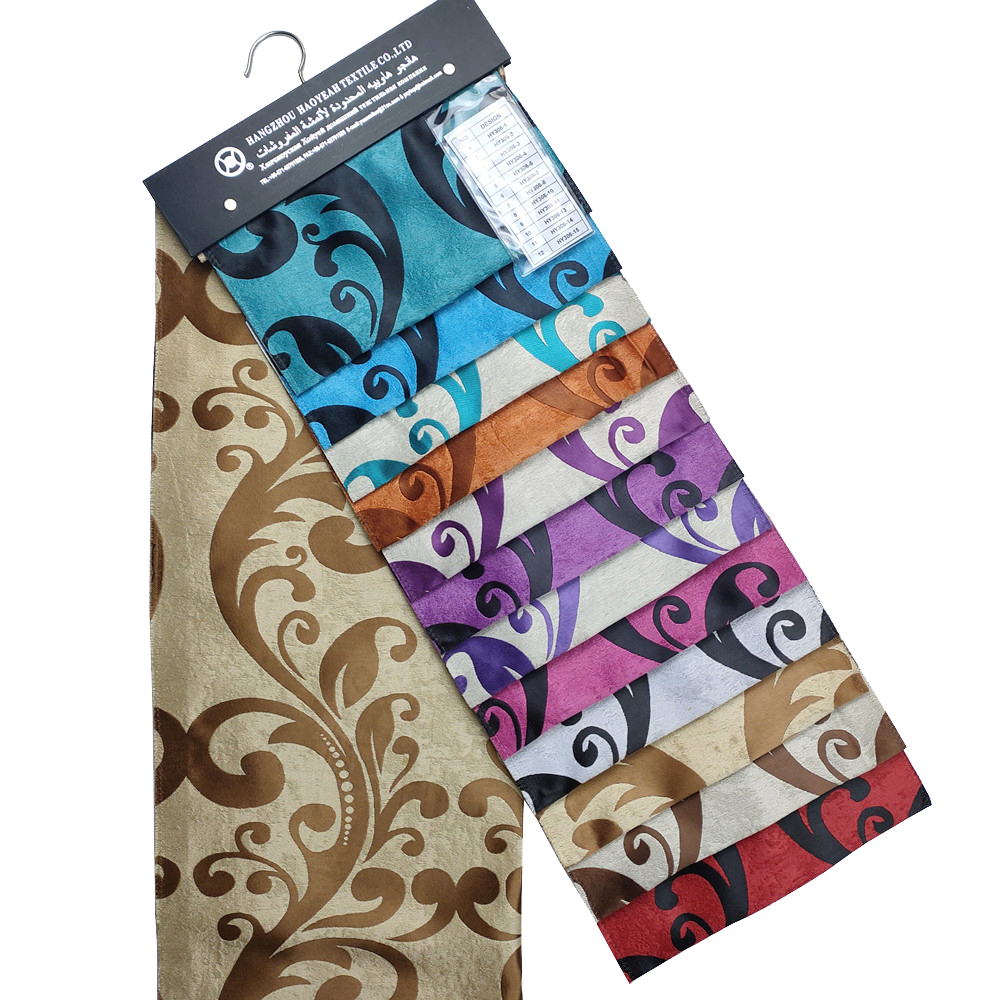
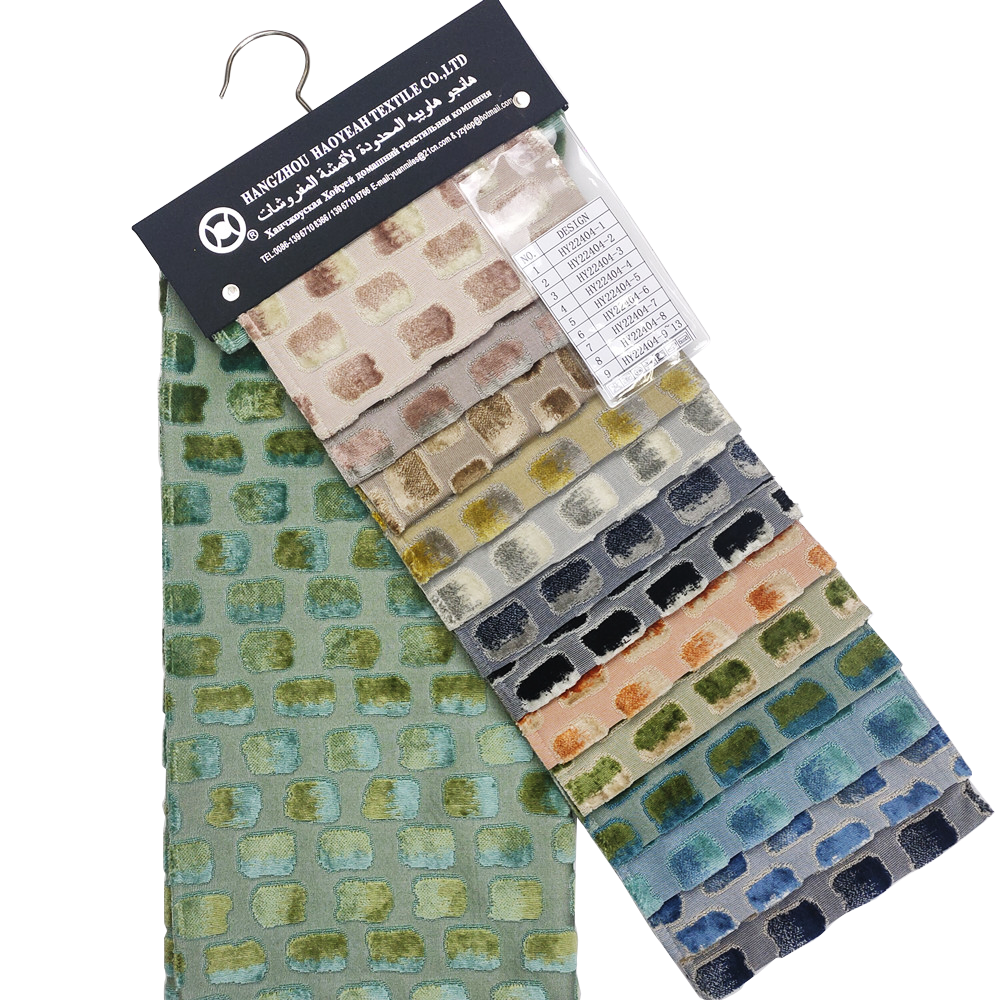
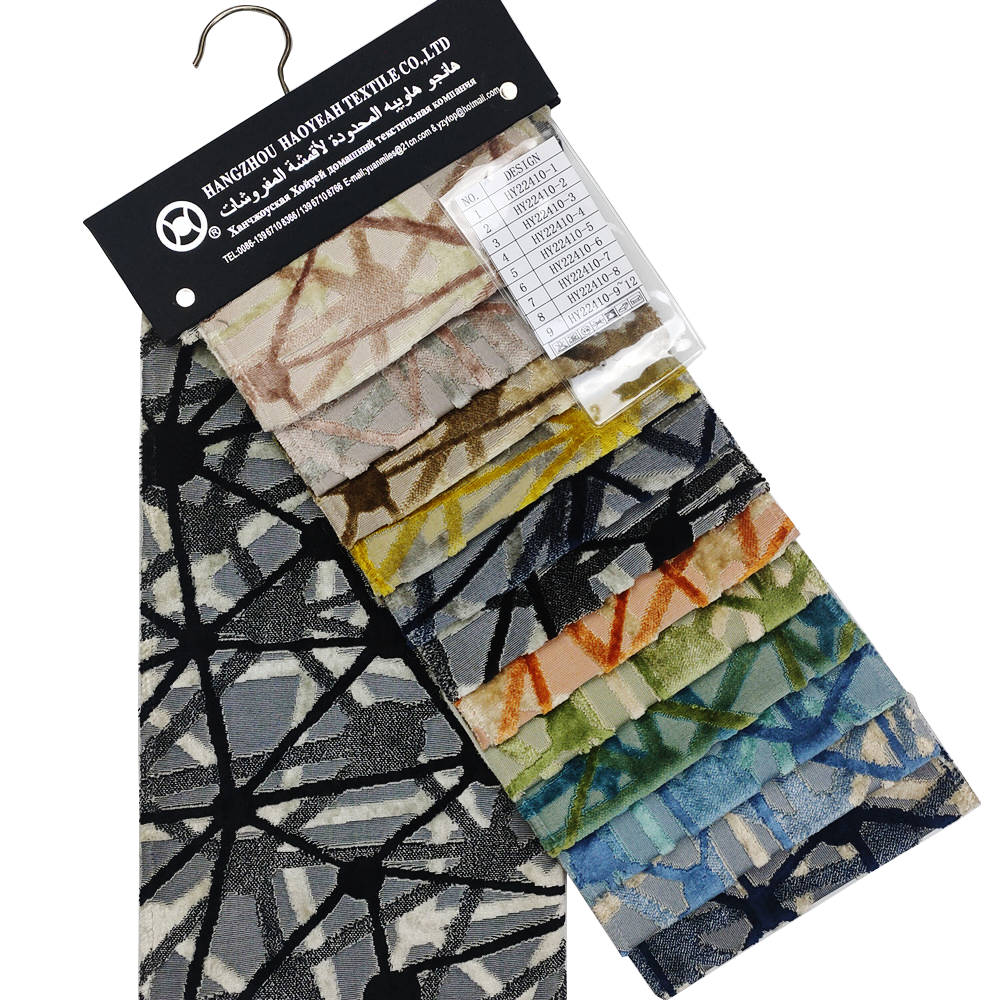
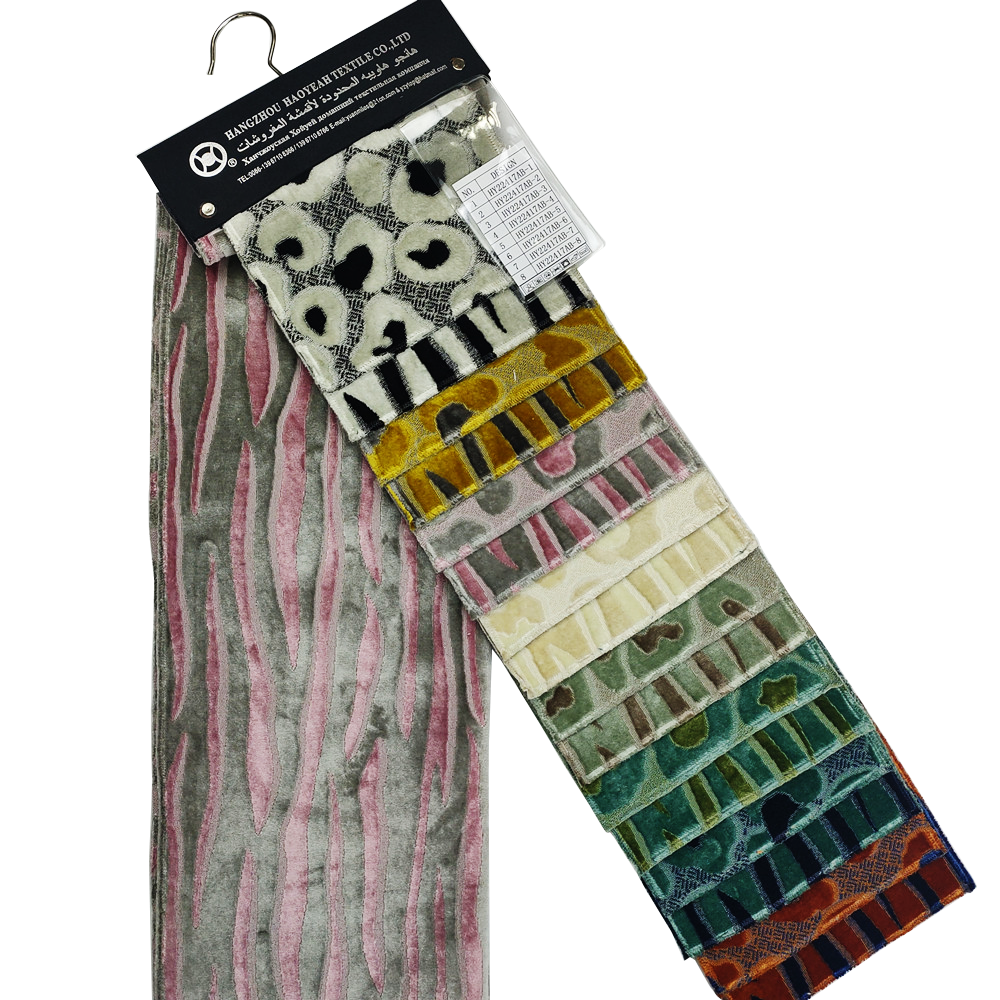
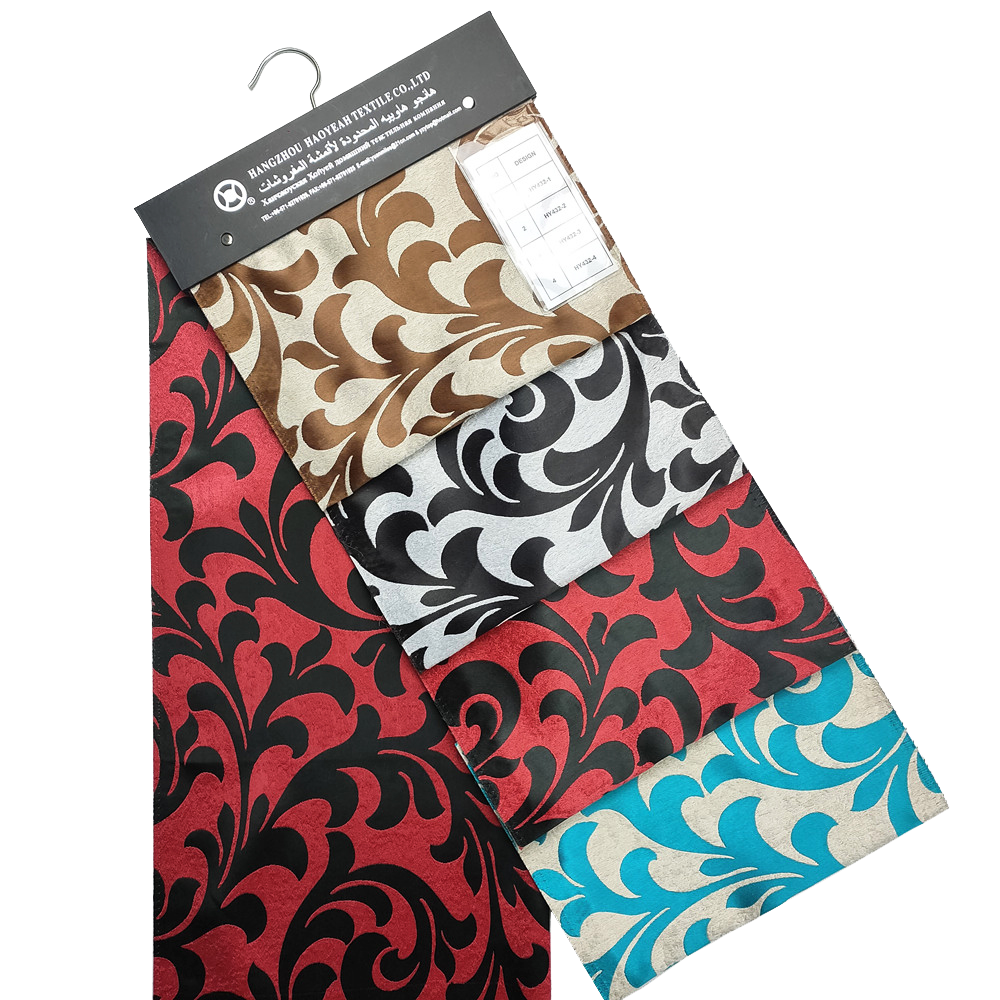
Run your hand across a sample of chenille curtain fabric and the first thing you notice is the pile: dense, warm, and slightly lustrous, with a softness that reads as comfort. If you are sourcing chenille material for curtains, sofas, or cushions, that tactile appeal is only the entry point. You also need to weigh durability, fiber content, weight, and cleaning behavior, because not every chenille fabric behaves the same way. The good news is that chenille's reputation is deserved when the construction is right.
Content
- 1 What is chenille material?
- 2 How chenille yarn becomes fabric
- 3 Key properties: what you get and what you trade
- 4 Common types of chenille
- 5 Chenille in curtains and sofa upholstery
- 6 What to check before buying chenille fabric
- 7 Chenille vs velvet and microfiber
- 8 How to clean and maintain chenille
- 9 Final buying advice
What is chenille material?
Chenille is not a single fibre. It is a type of yarn, or a fabric made from that yarn, whose fuzzy surface resembles a caterpillar. The French word chenille literally means caterpillar, and the name makes sense the first time you examine a length of chenille yarn: short fibres are trapped between two or more core threads, creating a rounded, plush body. When this yarn is woven or knitted, the exposed pile becomes the tactile surface you see on curtains and sofas.
Because the pile can be made from different fibres, the material name usually follows the dominant content. You will find cotton chenille, rayon chenille, acrylic chenille, and polyester chenille. In residential and contract upholstery, polyester chenille is preferred for its balance of softness, colour retention, and easy care. A well-made polyester chenille fabric holds its shape after years of cleaning, while a poorly constructed version can shed and flatten quickly.
How chenille yarn becomes fabric
Modern chenille production starts by weaving a base fabric with a row of weft threads. The fabric is then cut into narrow strips, and the cut edges bloom into the pile that makes chenille instantly recognisable. Quality depends on two details: the number of core yarns that lock the pile, and the consistency of the pile cut. If the core yarns are tight and the finishing includes heat setting and shearing, the fabric will resist fibre loss and keep its plush surface.
The manufacturing route also explains why chenille fabrics differ so much in performance. A plain chenille curtain fabric woven from fine polyester yarns may be soft and drapeable. A heavier jacquard chenille sofa fabric, on the other hand, uses thicker pile and a denser ground weave, giving it the dimensional pattern and abrasion resistance needed on seating. Always ask about construction details, not just the word chenille.
Key properties: what you get and what you trade
Chenille material has a distinct set of characteristics that explain its popularity in both window treatments and upholstery.
- Softness and warmth: The raised pile creates an immediately cozy touch and adds insulation to curtains and cushion covers.
- Sound absorption: Dense pile reduces echo in a room, making chenille a practical choice for living rooms and bedrooms.
- Visual depth: The surface scatters light softly, giving colours a rich, matte finish.
- Crush and wear: The pile can flatten under heavy, repeated pressure, especially if the fabric is too light.
- Shedding: Some chenille fabrics release a small amount of loose fibre at the beginning, particularly if the pile cutting is uneven.
- Cleaning sensitivity: Spills on a pile surface need careful blotting; rubbing can damage the texture.
In a lightweight curtain, these drawbacks are less critical. On a sofa where people sit, slide, and nap, construction and weight matter much more.
Common types of chenille
By fibre content
Polyester chenille is the workhorse of curtain and sofa textiles. It resists fading, washing, and abrasion better than most other fibres, which is why many wholesale fabric ranges are built around 100% polyester chenille. Cotton chenille feels breathable and natural but can shrink and wrinkle, so it is more common in apparel or decorative items than in contract upholstery. Rayon chenille has an elegant drape but weak wet strength; it needs gentle handling. Acrylic chenille is lightweight and warm, but it may pill more quickly on high-contact surfaces.
By woven structure
Plain chenille sofa fabric offers a clean, solid color with a uniform pile, ideal for modern interiors that need texture without pattern. Chenille jacquard fabric weaves the pattern into the ground, creating raised and recessed areas that give the design depth. Jacquard is a popular choice for sofas and statement curtains because it combines ornament and textile engineering in one surface.
Chenille in curtains and sofa upholstery
For most interior and hospitality projects, chenille appears in two places: at the window and on the seat.
Curtains
Curtains made from chenille material gain weight and insulation. The dense pile naturally filters light and muffles street noise, while the soft surface makes the room feel warmer. A versatile option is the 100% polyester plain chenille curtain fabric, which drapes well, hides wrinkles better than crisp linen, and can be dyed in deep, saturated tones.
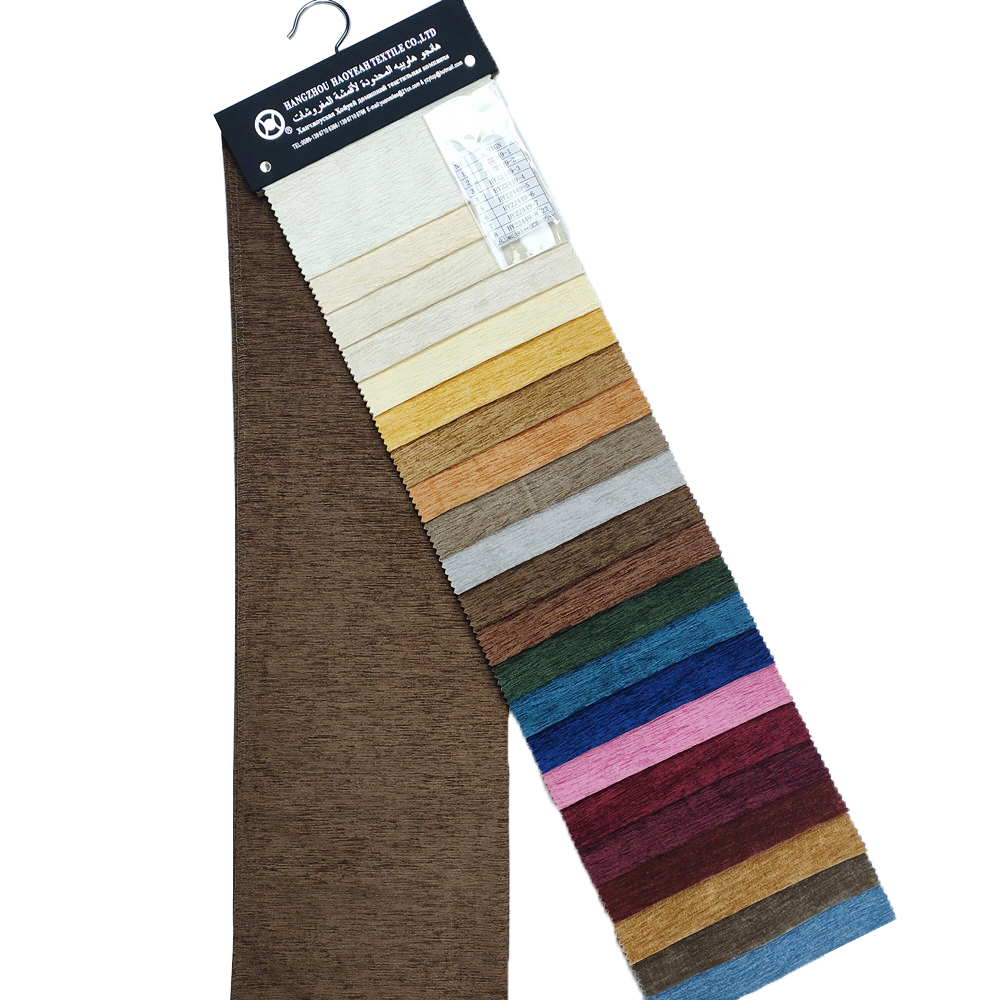 Polyester Super Soft Plain Color Chenille Curtain Fabric Manufacturers, FactoryHaoyeah - China Customized Polyester Super Soft Plain Color Chenille Curtain Fabric Manufacturers and Factory, Custom Polyester Super So...View Product →
When you need stronger light control, choose a construction with a blackout layer. A 360gsm chenille blackout curtain fabric combines the soft pile with a functional lining, making it suitable for bedrooms, hotel rooms, and media spaces. The shading performance of such fabric depends on the internal structure and coating; this explains how blackout curtain fabric structure affects shading.
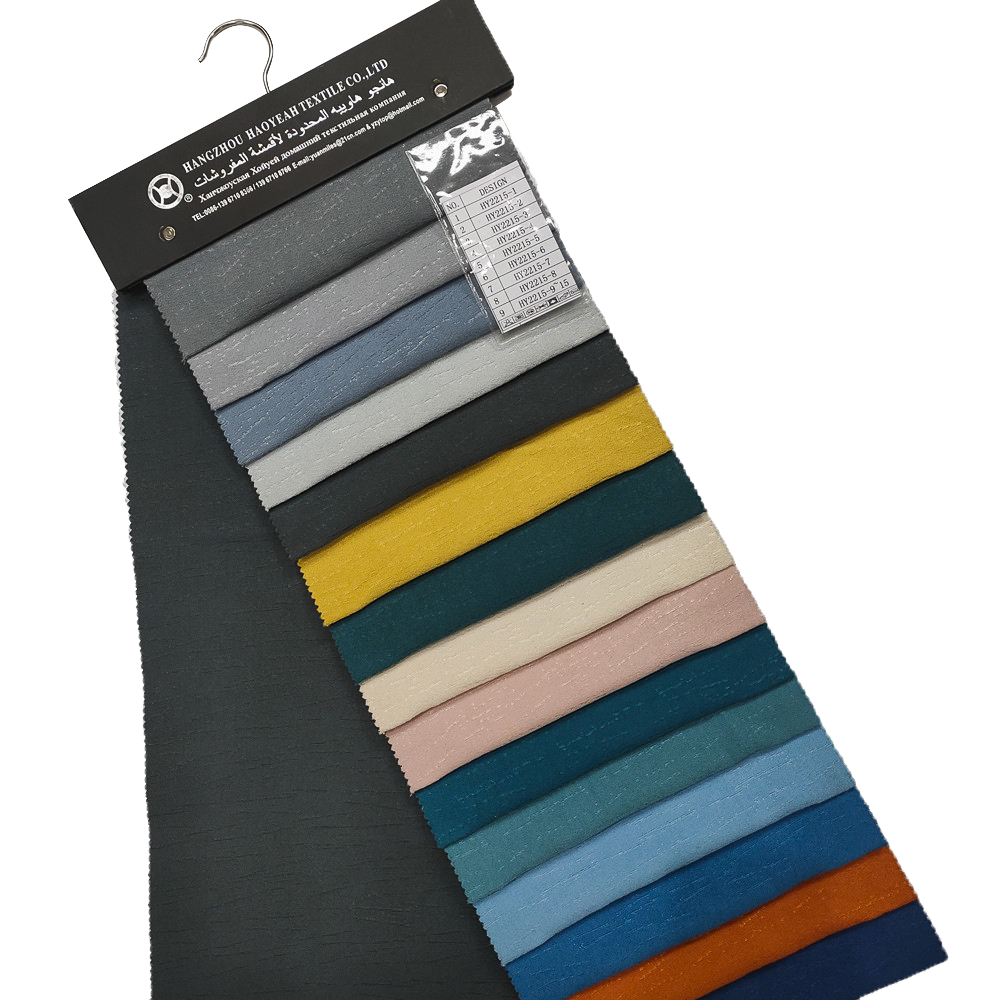 360GSM Polyester Chenille Blackout Curtain Fabric for Bedroom Manufacturers, FacHaoyeah - China Customized 360GSM Polyester Chenille Blackout Curtain Fabric for Bedroom Manufacturers and Factory, Custom 360GSM Polyest...View Product →
Sofa upholstery
On sofas, chenille provides a warm, tactile seat that feels less formal than velvet and more inviting than flat cotton. The key is to match weight to use. A 485gsm polyester chenille jacquard sofa fabric supports heavy use while preserving the patterned surface that makes a sofa look expensive. Thicker pile fabrics behave like velvet in that comfort and durability are closely tied to thickness and weight; you can read more about how the thickness and weight of pile fabrics affect durability.
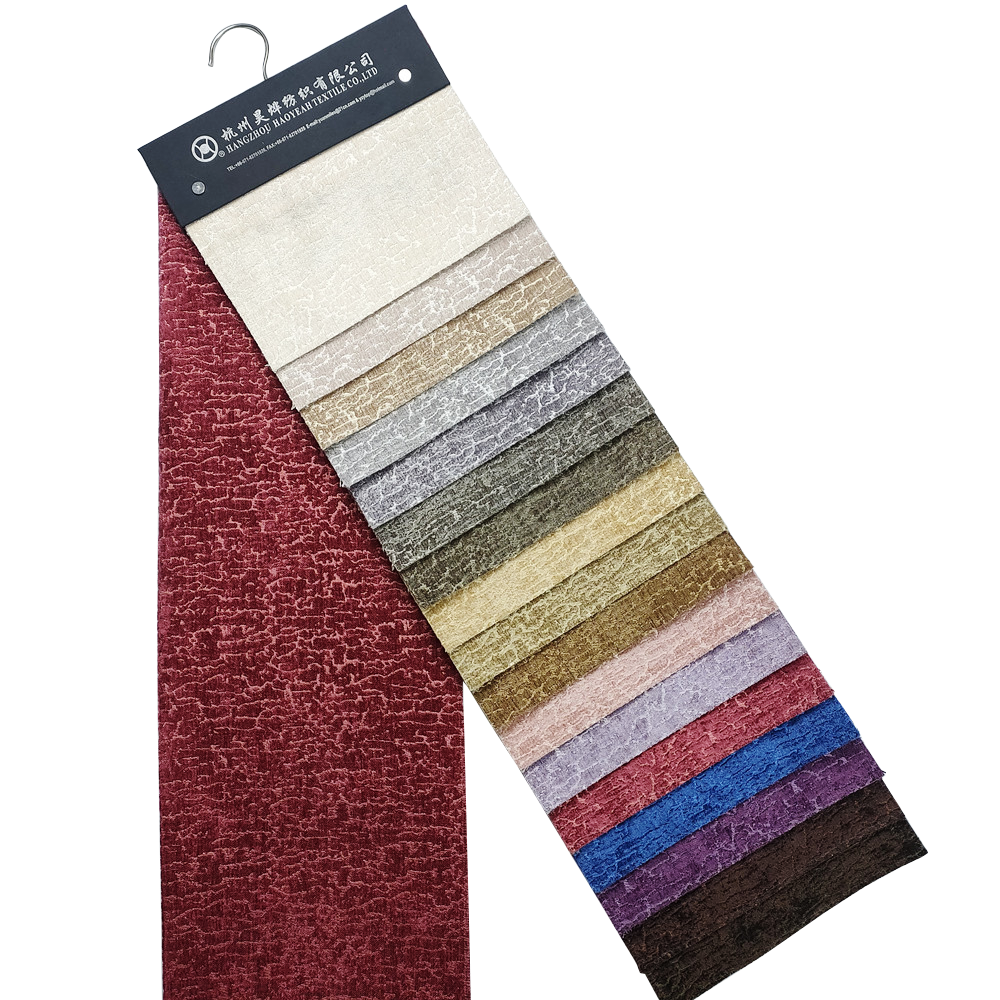 485GSM Super Soft Polyester Jacquard Chenille Sofa Fabric Wholesale ManufactureHaoyeah - China Customized 485GSM Super Soft Polyester Jacquard Chenille Sofa Fabric Wholesale Manufacturers and Factory, Custom 485GSM ...View Product →
Chenille also works well on headboards, bench seats, and cushions because it provides the same soft surface with less of the formality of velvet.
What to check before buying chenille fabric
Before you order chenille material in bulk, confirm five practical points: fiber content, weight, weave, abrasion data, and finishing.
| Factor | Why it matters | What to look for |
|---|---|---|
| Fiber content | Affects durability, fading, and cleaning. | 100% polyester for high-use curtains or sofas. |
| Fabric weight | Heavier pile resists crushing and adds insulation. | 200-300 gsm for curtains; 400-620 gsm for upholstery. |
| Weave type | Plain chenille is calm; jacquard adds pattern depth. | Match to interior style and end-use. |
| Abrasion resistance | Soft pile can show wear on armrests and seats. | Ask for Martindale or Wyzenbeek rub count. |
| Lightfastness | Direct sun can fade dyed pile. | Look for solution-dyed or UV-resistant polyester. |
| Finishing | Blackout, stain repellent, and water resistance add function. | Confirm treatment matches the project requirement. |
For upholstery, do not rely on look alone. Ask for rub test data, because two chenille fabrics with the same appearance can differ by tens of thousands of cycles.
Chenille vs velvet and microfiber
Chenille is often compared with velvet because both have piles. Velvet uses a short, dense, evenly sheared pile that catches light and feels formal. Chenille's pile is thicker and softer, with a more relaxed hand. For a family sofa, chenille resists flattening better than most velvet types, but velvet can look more luxurious in a formal living room. Microfiber is a completely different family: tightly woven synthetic fibres with a very low pile. It cleans easily and wears hard, but it lacks the visual warmth of chenille. If your priority is comfort and texture, chenille is the better choice; if you need the easiest possible maintenance, microfiber is safer.
How to clean and maintain chenille
Regular care keeps chenille material looking fresh and extends its service life. Vacuum the surface once a week with a soft upholstery attachment; this removes grit that would otherwise grind into the pile. For spills, blot immediately with a clean, dry cloth and work from the outside of the stain toward the centre. Do not rub, because rubbing tangles the pile and can leave a permanent mark.
Removable sofa covers should be washed in cold water on the gentle cycle and air-dried. Polyester chenille is more tolerant of washing than cotton or rayon chenille, but heat can still distort the pile. Curtains should also be kept away from prolonged direct sunlight, which can fade the pile unevenly.
If you already care for velvet curtains, the same principles apply in most cases. This practical guide to cleaning and maintaining velvet curtain fabric covers the basics you can also use for chenille.
Final buying advice
Chenille is one of the most inviting materials you can put on a window or a sofa, but it is not a single product. The label chenille only tells you that the yarn has a raised pile; the rest depends on fibre choice, density, weave, and finishing. For commercial projects, choose a reliable supplier who can give you specifications such as weight, composition, rub count, and care instructions. When you find a chenille fabric that feels right, check the technical details before you fall in love with the hand.