0


 English
 عربى


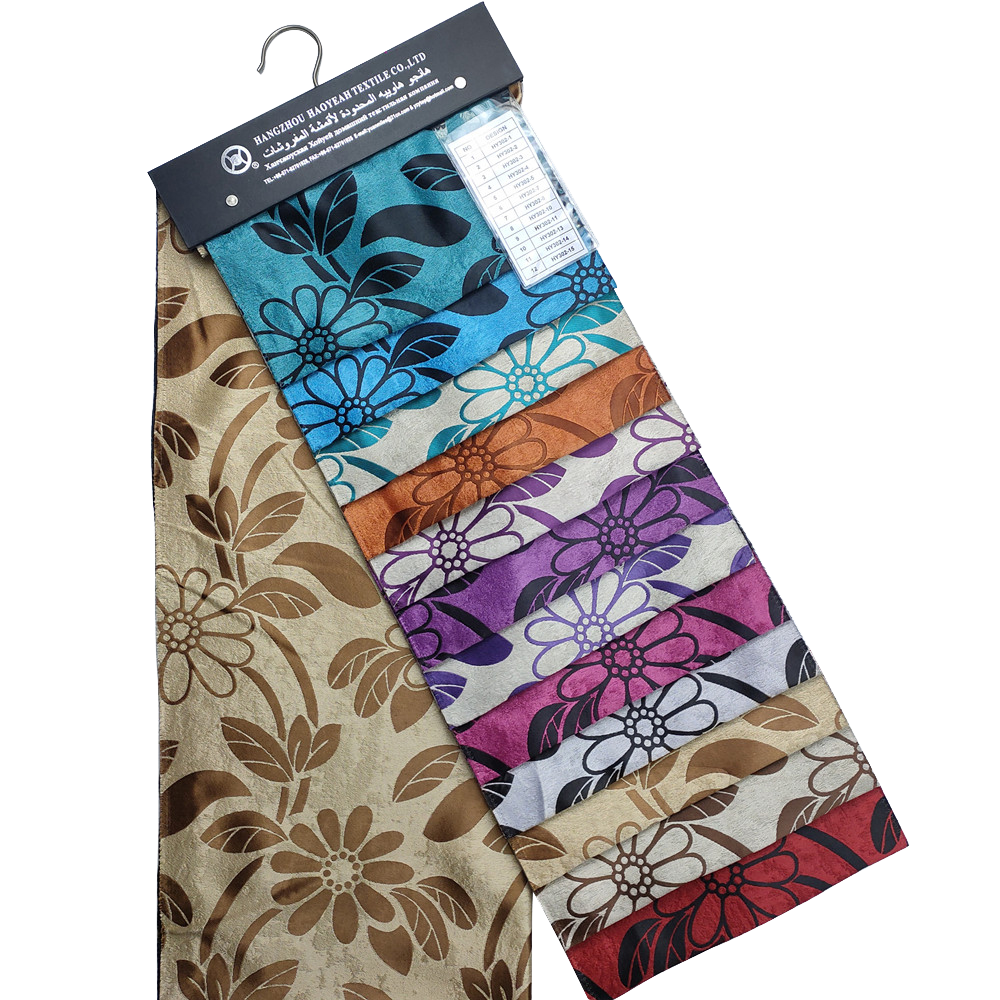
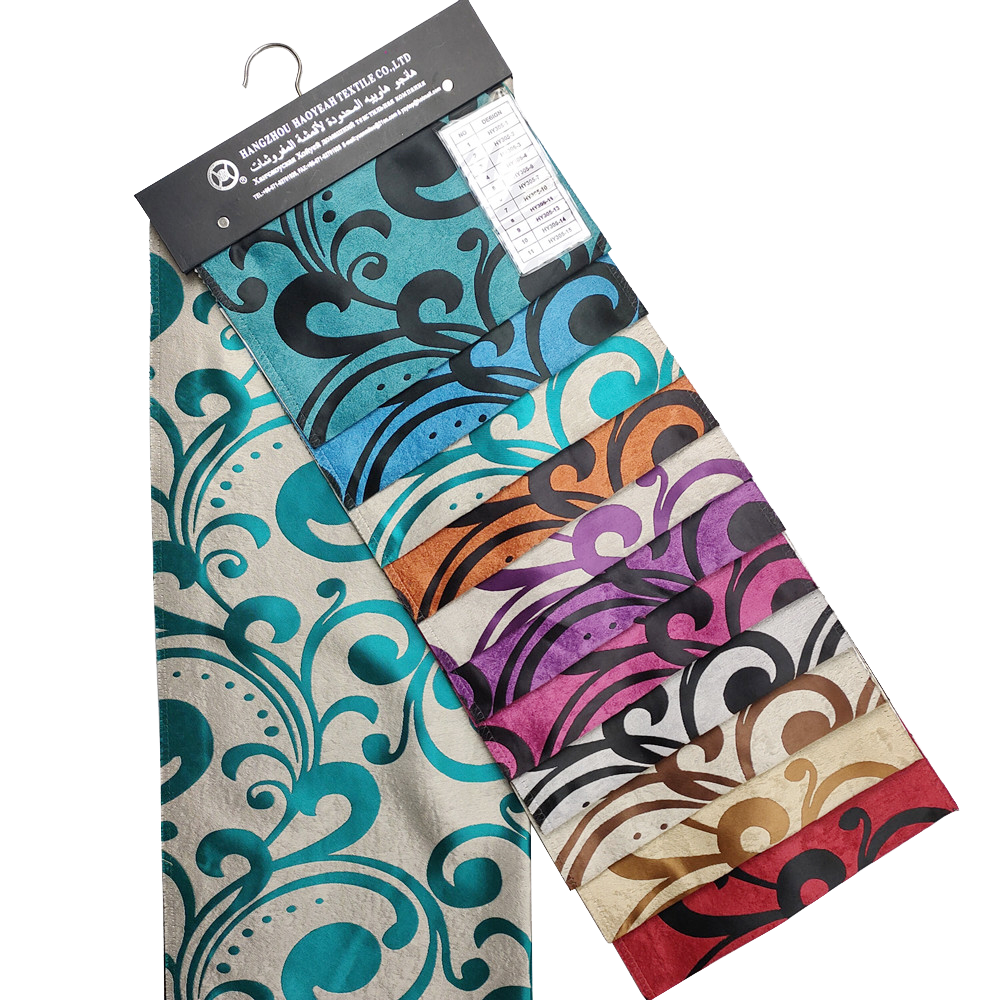
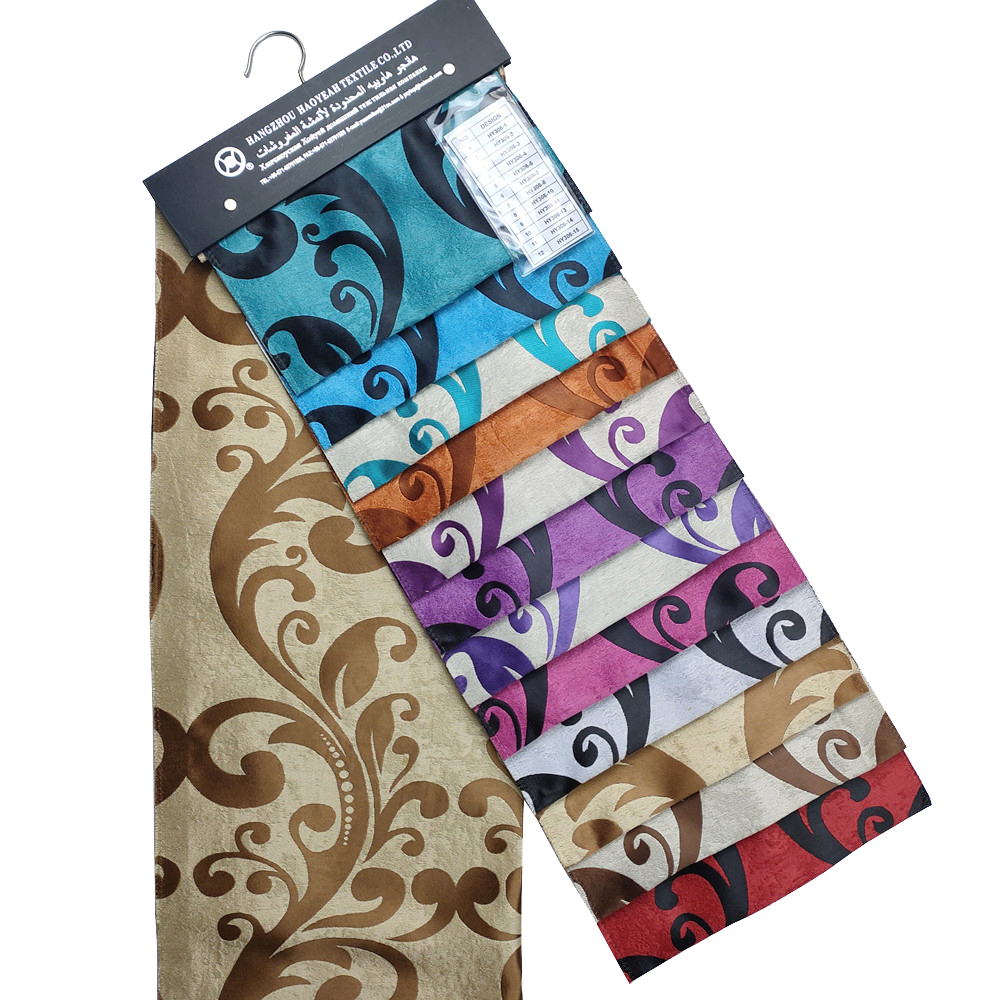
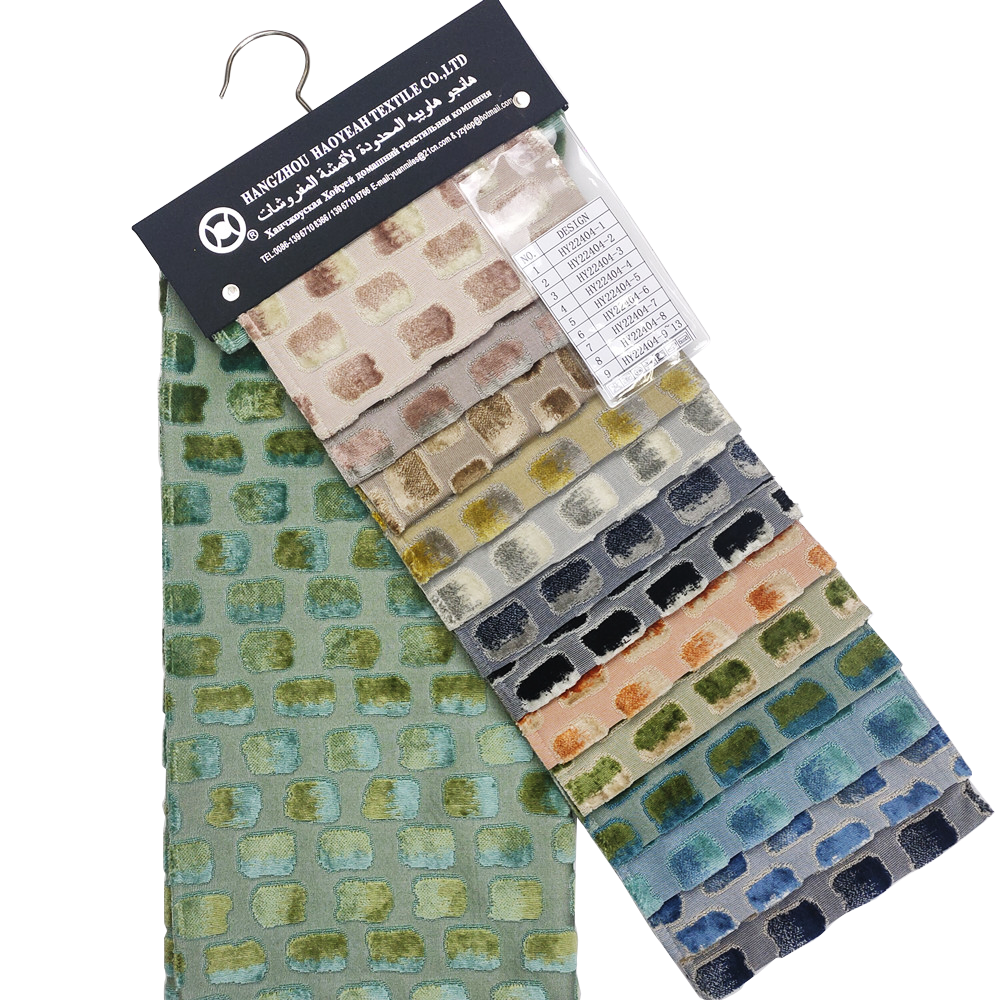
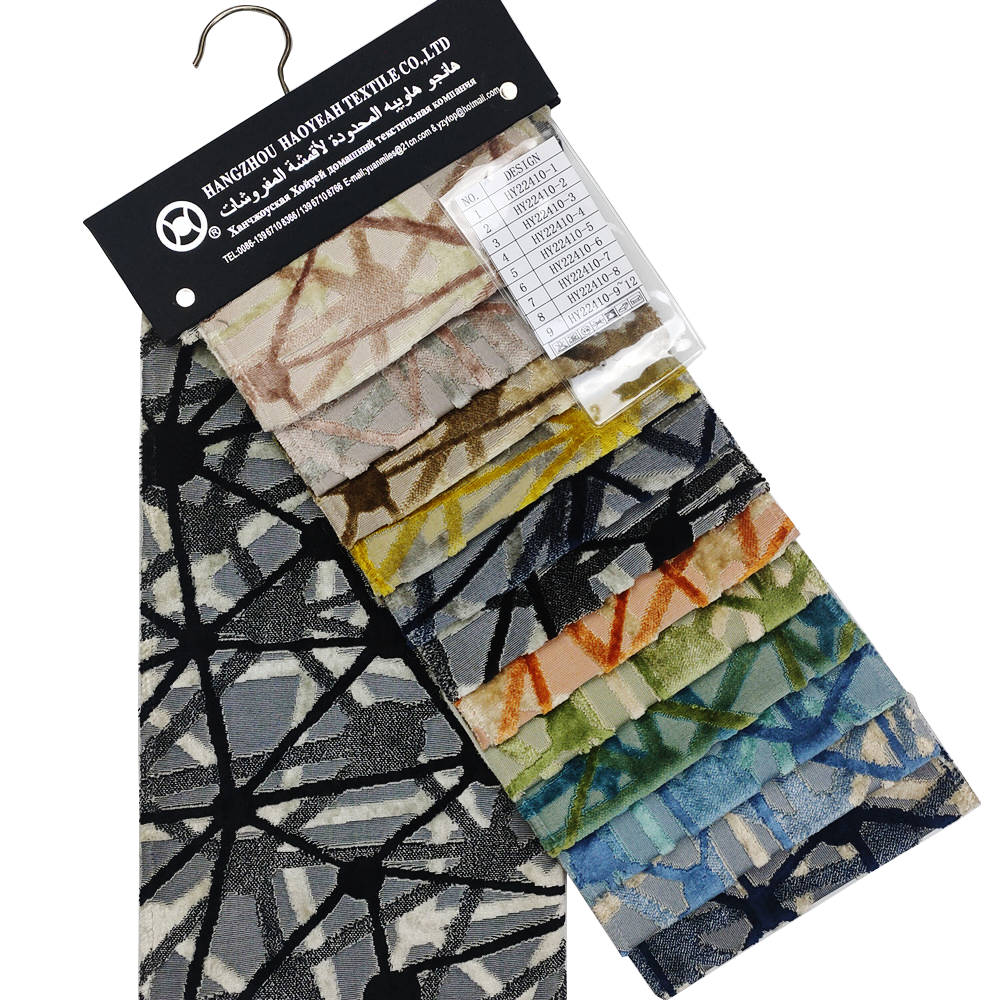
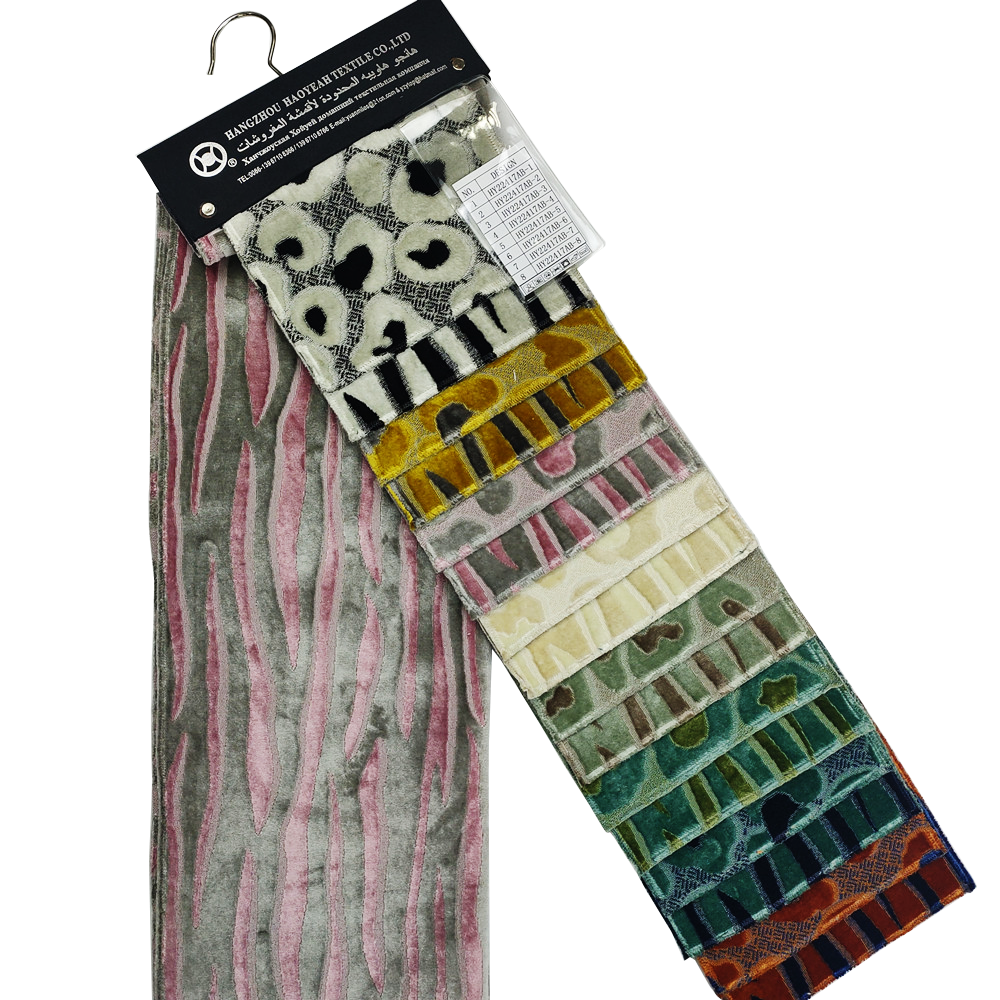
Drapery fullness is the ratio between the fabric width used in a curtain and the width of the window or rod it covers. A 2x fullness means you are using twice as much fabric as the total window width. This ratio determines how deep the folds look, how much light is blocked, and how much fabric you need to purchase.
The right fullness depends on your project goals. A hospital lobby wants a sleek, clean line with minimal stack width. A luxury hotel suite wants waves so rich they read as a design statement. Both are legitimate, but they require different fullness ratios and different fabric quantities.
For a buyer sourcing curtain fabric, getting fullness right up front prevents the costly mistake of ordering too much or too little material.
Content
Standard Fullness Ratios by Header Style
The right fullness depends primarily on how the curtain will be hung. Different header styles require different amounts of fabric to create the intended look. The table below summarizes the common fullness ratios used in residential and hospitality projects.
| Header Style | Fullness Ratio | Typical Use |
|---|---|---|
| Ripplefold / Wave Fold | 80-120% | Commercial spaces, hotel windows, modern homes |
| Grommet | 1.5x-2x | Residential windows, easy-to-hang panels |
| Rod Pocket | 1.5x-2.5x | Traditional settings, lightweight sheer fabrics |
| Pinch Pleat | 2x-2.5x | Elegant interiors, formal living rooms, heavy drapes |
| Tailored Pleat | 2.5x-3x | Luxury installations, high-end hotels |
These are starting points, not fixed rules. For example, balancing functionality and aesthetics in plain curtain fabric often means choosing a 2x fullness even when the design could accept less, because the added folds improve light control and privacy.
In ripplefold systems, the percentage refers to the amount of fabric relative to the track width. A 120% ripplefold has more fabric and deeper waves; a 60% ripplefold has a nearly flat appearance. The difference is visible to the client immediately, so confirm the percentage before production begins.
How Fabric Weight and Construction Influence Fullness
Fabric choice affects how much fullness looks good and how much you actually need.
Lightweight Fabrics Need More Fullness
Sheer and lightweight fabrics such as polyester voile, linen-look blends, or soft plain weaves collapse into thin lines when gathered. A 1.5x fullness on a sheer panel looks almost flat, while the same fabric at 2.5x creates soft, layered waves. If you want a sheer curtain with a visible wave pattern, budget for 2.5x to 3x fullness.
Heavy Fabrics Perform Better at Lower Fullness
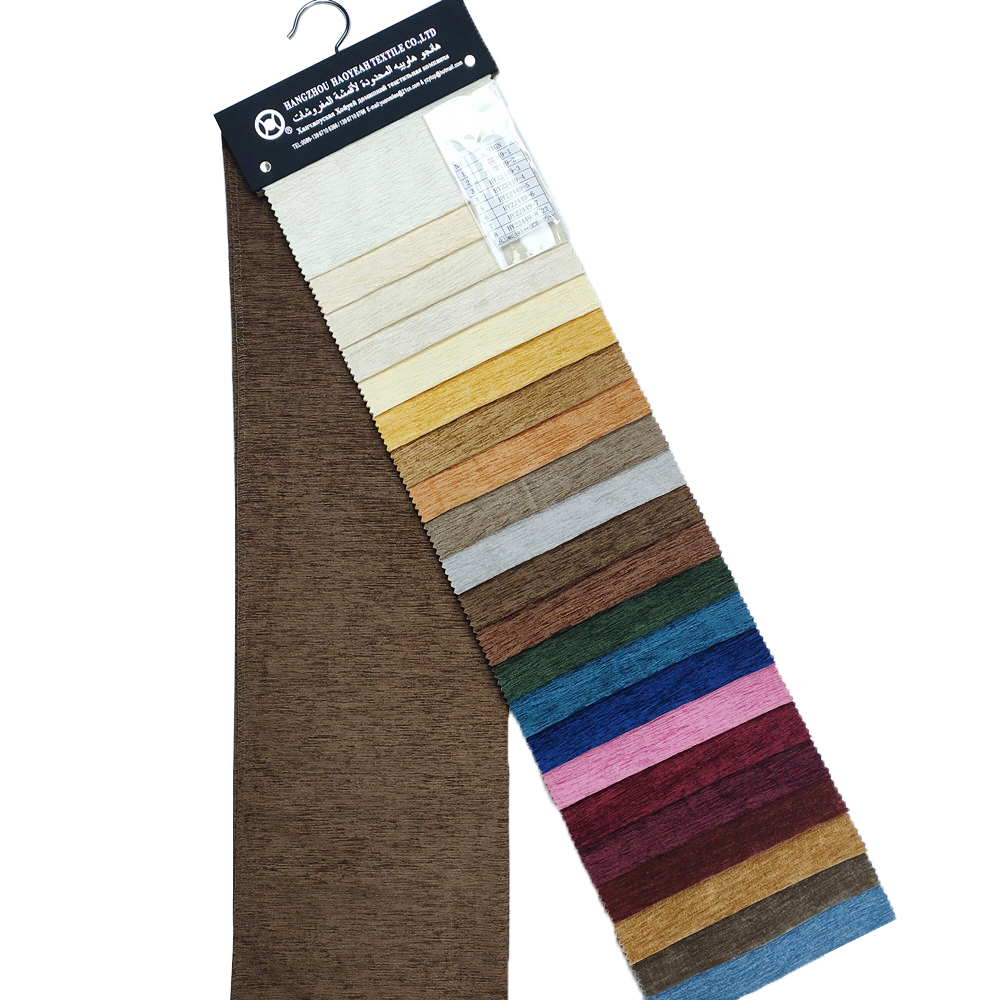 Super Soft Plain Color Chenille Curtain Fabric in 100% PolyesterThis 260gsm polyester chenille offers a soft, natural drape that forms defined folds. At 1.5x fullness it creates gentle waves, making it a lighter alternative to heavy blackout fabrics for structured yet airy curtains.View Product →
Velvet, heavy chenille, and thick jacquard fabrics carry their own weight and form deep, structured folds without needing as much fabric. A 1.5x fullness on a 300gsm velvet curtain will already produce pronounced ripple lines. Going beyond 2x with a heavy blackout fabric can make the stack too bulky when the curtain is open, and it increases the load on the rod and the sewn-in hardware. For a lighter hand, consider a 100 percent polyester chenille plain fabric, which gives you a soft drape that still holds a defined fold pattern.
Blackout Coating Thickness Changes the Math
 Insulated Polyester Jacquard Blackout Curtain Fabric with Woven TextureA 230gsm jacquard blackout fabric that combines insulation and light blocking. Its woven pattern masks the coating, allowing 2x fullness for crisp waves without stiffness, ideal for bedrooms or living rooms.View Product →
Blackout fabrics with a coated or laminated back layer behave differently than uncoated textiles. The coating stiffens the fabric, so a 220gsm coated blackout panel will hold a crisp 1.5x wave but can look stiff and unnatural at 3x. Interior designers commonly specify 2x fullness for blackout curtains in bedrooms to prevent light leakage between folds while keeping the stack manageable. Jacquard blackout fabrics offer an additional design advantage: the woven pattern masks the coating structure, so you get the functional benefit without sacrificing texture.
How to Calculate Drapery Fullness
The formula is simple:
- Measure the total width of the window or the rod you want to cover.
- Decide on the fullness ratio based on header style and fabric weight.
- Multiply the measured width by the fullness ratio.
Example: a 60-inch window with a 2x fullness needs 120 inches of fabric before any seam allowance or hemming. For a 2.5x pinch-pleat treatment on the same window, the fabric requirement jumps to 150 inches.
There are two ways buyers get this wrong. The first is measuring the window frame instead of the rod. A curtain rod is usually 8 to 12 inches wider than the window, which adds 16 to 24 inches to the coverage width. The second is forgetting that panels sold in pairs mean you need to divide the total fullness between two panels. A 120-inch fabric requirement is 60 inches fabric per panel for a pair, not 120 per panel.
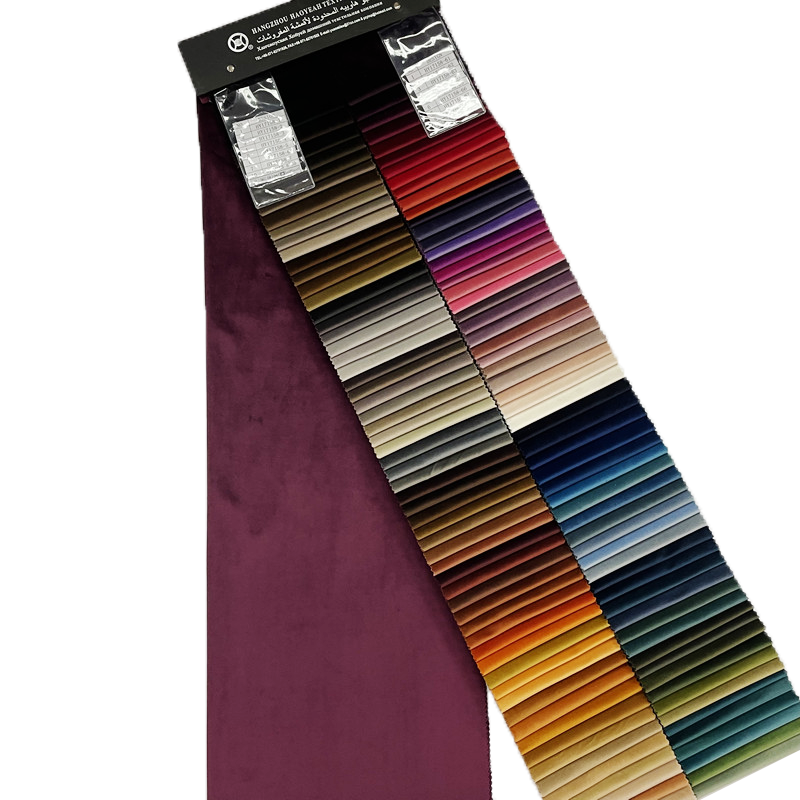 Super Soft Polyester Plain Holland Velvet Curtain FabricThis 220-320gsm polyester velvet provides a soft, structured drape that holds its shape without sagging. Available in various weights, it suits both lighter movement and heavier blackout performance for refined interiors.View Product →
For a more structured result, interior designers often prefer a plain velvet fabric when a specified fullness must hold its shape without sagging. The 185gsm to 310gsm range gives you options for both lighter movement and heavier blackout performance.
Another calculation factor: the pattern repeat. If your jacquard fabric has a 40-inch repeat, you need to account for the pattern matching at the seam. In practice, this can add 10 to 15 percent to your total fabric requirement. Always ask your supplier for the pattern repeat before finalizing your fullness calculation.
What Fullness Level Means for Budget and Procurement
For wholesale buyers, fullness is a direct cost driver. A 2.5x order uses 25 percent more fabric than a 2x order on the same window. On a large contract for hotel rooms, this difference can shift the margin materially.
- 1.5x fullness: Lowest fabric cost. Best for simple flat panels, commercial areas where budget governs the design, and heavy fabrics that already create strong folds.
- 2x fullness: The standard for residential and many hospitality projects. It balances appearance, light control, and material cost.
- 2.5x to 3x fullness: Premium appearance with rich waves. Used in luxury hotels, formal living rooms, and designs where the curtain is a focal point. Expect 25-50 percent more fabric cost than 2x.
Beyond the fabric itself, higher fullness raises the cost of heads, linings, and hardware. A 3x ripplefold curtain could require a heavier track and more pleating work. The total project cost can exceed the fabric line item alone. When quoting a project, ask whether the client wants the wave to look floating (lower fullness) or cascading (higher fullness) so your material estimate is accurate.
Let us use a concrete example. A hotel project has 200 windows, each 72 inches wide. At 2x fullness, you need 144 inches of fabric per window, or 28,800 inches total. At 2.5x, you need 180 inches per window, or 36,000 inches total. That is 7,200 inches more fabric, roughly 183 meters. At a supplier wholesale price of $3 per meter, that is a $549 difference in fabric cost alone. The added costs for additional pleating work and heavier track hardware could bring the total to $900-$1,200 more.
Practical Advice for Sourcing Curtain Fabric
When you contact a fabric supplier for custom curtains, bring the following information:
- The fullness ratio you intend to use, expressed as a multiplier (such as 2x) or a percentage (200 percent).
- The window width and rod width; do not assume the supplier will know your framing.
- Your preferred fabric weight range, because heavier fabric achieves a good look at lower fullness.
- Whether you need blackout, privacy, or decorative-only layers.
A reliable supplier will tell you if a fabric requires more or less fullness than the standard recommendation. This is especially important with jacquard fabrics where the pattern repeat length determines how the fold lines fall. A specified pattern repeat might force a slightly higher fullness to avoid interrupting the design at the seam.
Another good practice is requesting a fabric swatch and testing the fullness on a mock-up before committing to a full production run. A small sample of the exact fullness ratio is worth more than a full catalog. This is particularly true for velvet and chenille fabrics, where the pile direction changes how the folds catch light.
If you are working with a supplier who offers customization, ask about the standard fixed widths they can produce. Most industrial looms produce fabric at 280 cm width, so your fullness calculation should align with the usable width to avoid unnecessary cutting waste.
Conclusion
Drapery fullness is not a design abstraction. It is a measurable specification that controls how a curtain looks, how it functions, and what it costs. Start with the header style to set the ratio, then adjust for fabric weight and blackout coating, then calculate the width. If you are sourcing fabric for a commercial project, confirm fullness with your supplier before placing an order.